 ASEAN Plus Three Emergency Rice Reserve
ASEAN Plus Three Emergency Rice Reserve

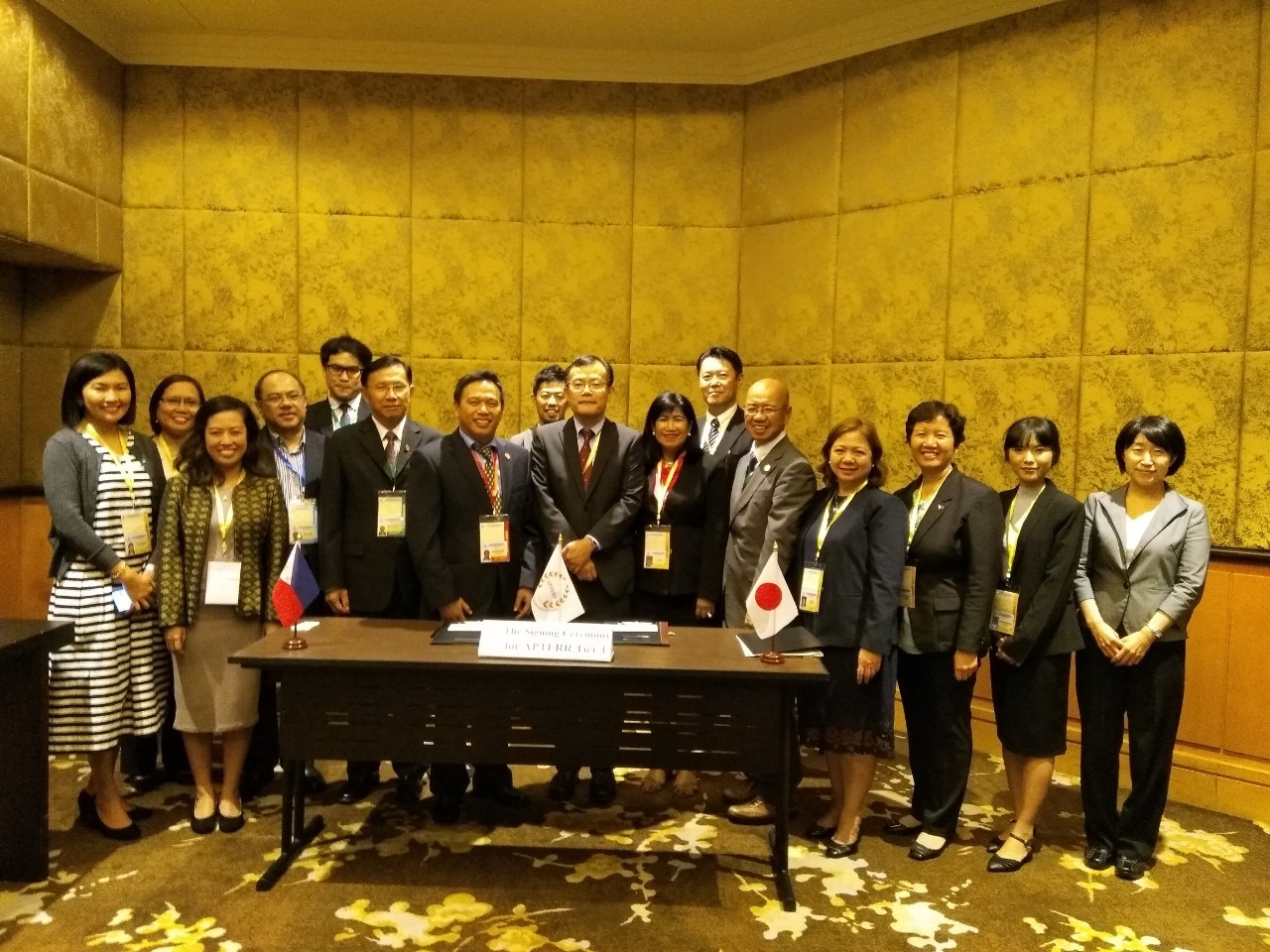
The ASEAN Plus Three Emergency Rice Reserve (APTERR), in 2021, is going to celebrate its 10th anniversary of establishment as a regional mechanism that strengthens food security and reduces poverty in the ASEAN Plus Three region (APT). With tremendous passions and efforts from the member countries as well as other relevant parties being put into it, the APTERR now develops and settles itself as one of the most reliable and reputable mechanisms to help assist people during times of emergency caused by disasters, which includes human-induce hazard, through many effective rice-providing programmes. Nevertheless, an efficiency of the programme improvement is always essential for the APTERR activities. That is why this article is going to discuss about potential ways for further improving the works of the organisation in 2021, particularly the implementations of Tier 1 and 2, the achievements of which are seemed to be far off from what they have been expected.
The Coronavirus Disease 2019 (COVID-19) is a contagious disease posed by a newly discovered coronavirus. Most people will experience mild to moderate respiratory illness and recover without requiring special treatment whereas elders and those with underlying diseases such as cardiovascular disease, respiratory disease, diabetes, and cancer are more likely to develop to a serious illness. By today, there are more than a million cases around the world infected, including ASEAN Plus Three Emergency Rice Reserve (APTERR) member countries. Besides, there are currently no specific vaccines for COVID-19.
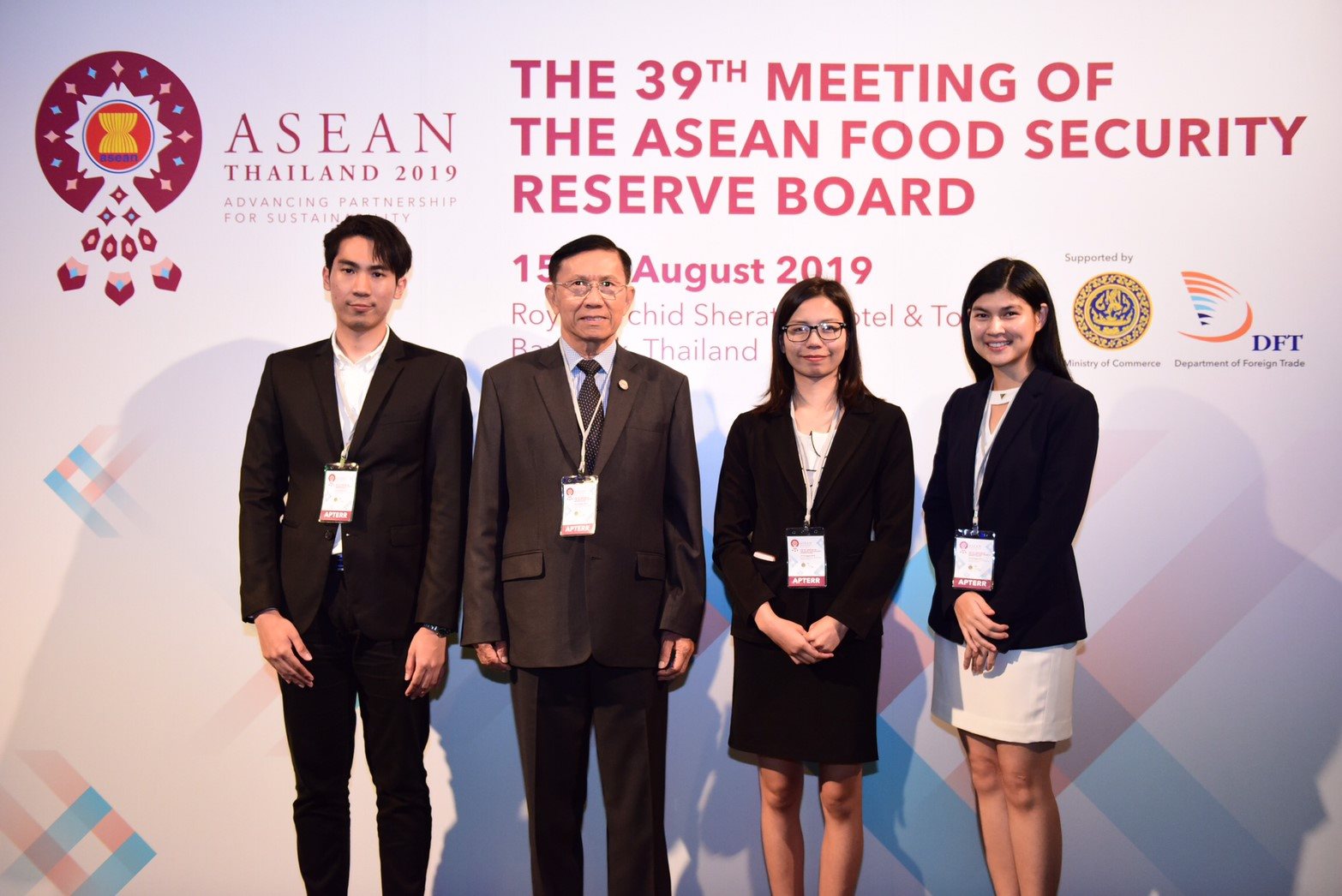
The ASEAN region has occasionally experienced a long-lasting food insecurity issues that pose a critical threat to livelihood and well-being of its citizens. To make the matters worse, during the years 2007 and 2008, the ASEAN Member States (AMS) had witnessed a social and economic impact of the world food price crisis, in which the price of staple foods was unprecedentedly increased due to several important factors such as rising fuel price and changes in climate pattern. From these reasons, the AMS realised that, in order to address the challenge, systematic policy framework along with work plan that prioritised on the accurate and inclusive agricultural data, sustainable food commodity production and trade, and timely relief mechanism of food supply in times of emergency were needed to be developed. Hence, the 14th ASEAN Summit held in 2009, pledging to embrace food security as a permanent and high policy priority, adopted the ASEAN Integrated Food Security (AIFS) Framework and Strategic Plan of Action – Food Security (SPA – FS) to be used during 2009-2013.
Copyright © 2023 apterr.org All Rights Reserved.